
Abdirahim Saeed – BBC News Arabic
Tunisia is in North Africa.
According to a survey commissioned by BBC Arabic, 80% of Tunisians believe that racial discrimination is a problem in their country – the highest figure in the Middle East and North Africa region. With black people making up 10-15% of the Tunisian population, there are fears the fight against racial discrimination is now at a standstill after the suspension of parliament, the country’s first black female MP has told the BBC.
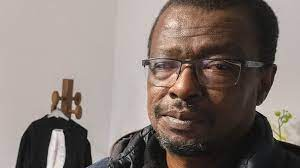
Lassad Karim loved his job and had spent 12 years at the same company, until he said he faced racism at the hands of a new manager.
“We were having a discussion when out of the blue she insulted me,” he told the BBC.
–
Mr Karim accuses the manger of using a term commonly used to demean black people as servants: “This is not an acceptable word, it’s hurtful.”
“I was in shock. Why? What am I guilty of? What did I do? I was broken.”
It shook his self-esteem, even to this day.
“I loved being out and about. Now I’ve lost the will to go anywhere beyond my front door,” he told the BBC.
New legislation, called Law 50, was introduced in 2018, making Tunisia the first country in the Arab region to outlaw discrimination specifically on racial grounds.
It was the culmination of years of campaigning by activists who felt empowered by the 2011 democracy protests which saw the overthrow of long-time President Zine El-Abidine Ben Ali.
Under Law 50, those found guilty of racist language or acts can receive a prison sentence of up to three years. Authorities can also impose a maximum fine of 3,000 dinars ($950; £775).
It has so far succeeded in prosecuting some of those guilty of discrimination, including a case in the city of Sfax where a woman was found guilty of racially abusing her daughter’s Afro-Arab teacher.
But this was not the case for Mr Karim. His employer denied racism or firing him and his case was dismissed due to lack of evidence.
Mr Karim is one of many black people who say they are still victims of racism, despite this relatively new legal deterrent, as the country’s first black MP explained.
“Almost daily, I receive letters from citizens, especially black people. I receive their messages. I receive their complaints,” Jamila Ksiksi said.
She said after the suspension of parliament, lawmakers can no longer raise in the channels of power the plight of constituents suffering from racism, nor scrutinise the efforts of the government to tackle it.
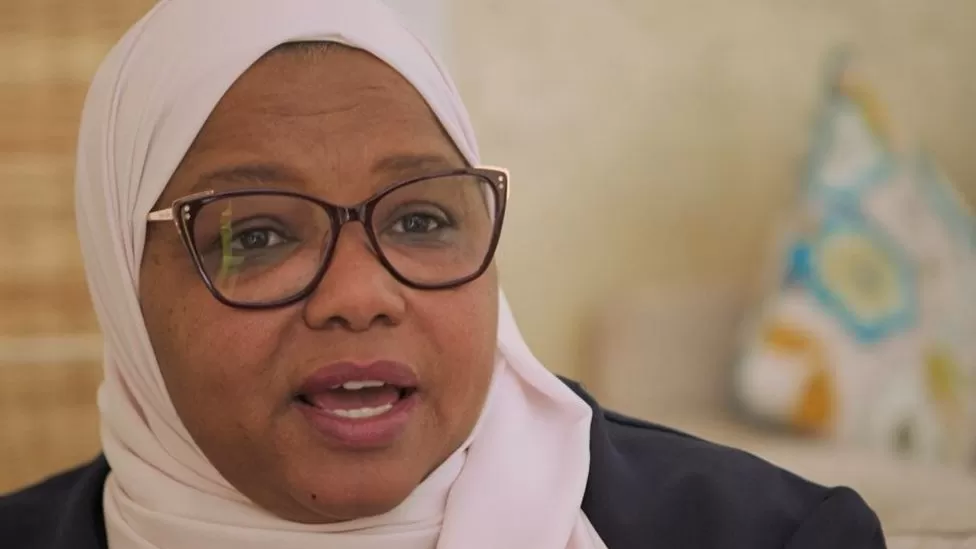
“The Tunisian people have no voice without a parliament,” she continued.
Tunisia’s ongoing social and economic crisis deepened last July after President Kais Saied suspended parliament and dismissed the government.
President Saied had said his decision was the only way to reform the country and break Tunisia’s political paralysis.
The 64-year-old president last month ordered parliamentary polls after a referendum on a new constitution granted him sweeping new powers.
According to Ms Ksiksi, Tunisia’s parliament used to have a central role in scrutinising the implementation of the landmark anti-racism legislation, but that is no longer possible.
She fears that court cases looking into racial discrimination will now take longer to be processed by the courts because of the political turmoil.
“There is no entity to help push, or to ask for the reasons behind the delays. Dissolving the parliament is a huge obstacle for people to get their rights.”
Ms Ksiksi also worries about what she sees as a lack of clarity over whether the new constitution would protect civil rights legislation, particularly Law 50.
BBC Arabic News has reached out to a spokesman of the new government appointed by President Kais, but has received no reply so far.
However, a prominent Tunisian politician and an ally of the president has denied the fight against racism has been sidetracked by recent events.
“The judiciary’s work has never stopped. They are still implementing Law 50,” said Amal Hamrouni of the El-Tayyar El-Chaabi party.
As for scrutinising the work of the government, Ms Hamrouni said President Kais had no choice but to suspend parliament.
“The legislative chamber was not doing its job. It was mired in internal struggles. It was right of the president to suspend it,” she said.
The scope of Law 50 is not just about tackling isolated events of racism, but also about addressing a legacy of discrimination in Tunisia.
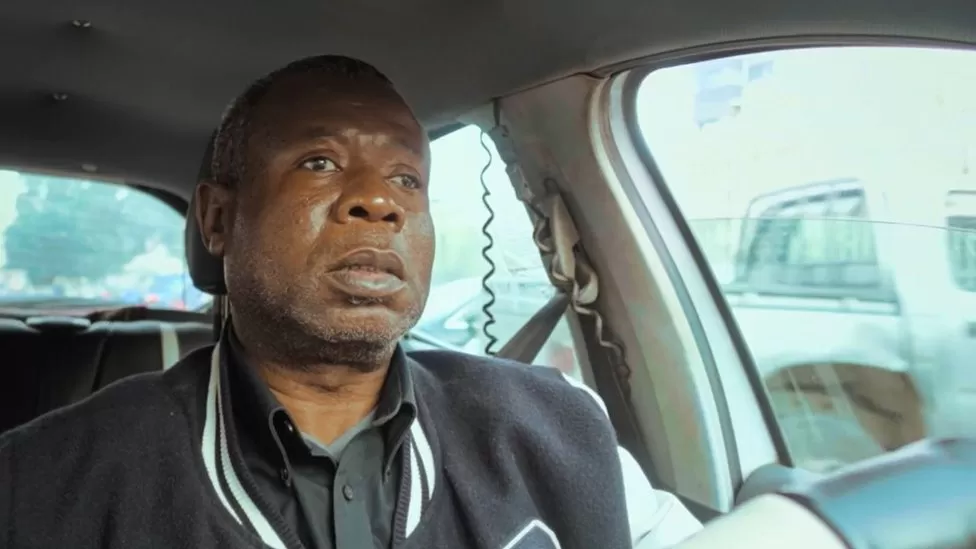
Kamal Atig Zeiri, a taxi driver, said he has faced racism all his life and wants to drop the “Atig” in his surname because of the history of the word, describing it as “embarrassing”. Atig means “freed by”.
His ancestors were among millions of black Africans sold as slaves throughout the Arab world over the centuries. Tunisia became the first Arab country to abolish this trade in 1846.
“It worries me a lot and I won’t rest until I delete it from my surname,” Mr Atig Zeiri told the BBC. “This word has caused me a psychological problem,” he continued.
In theory, Law 50 should give Mr Atig Zeiri the freedom to change his name, however, he is still waiting for the courts to approve his request. His daughter, Lena, has been able to alter her surname.
Leave a Reply