
It was just few weeks ago, Nigerians were celebrating and the government officials were high-fiving each other on the appreciation of naira. After losing more than 60 percent of its value, naira suddenly was coming back, even becoming the best global performing currency of the week. But a week later, naira abruptly lost all the gain, nosediving to all time low and becoming the worst performing currency in the world.
So what happened?
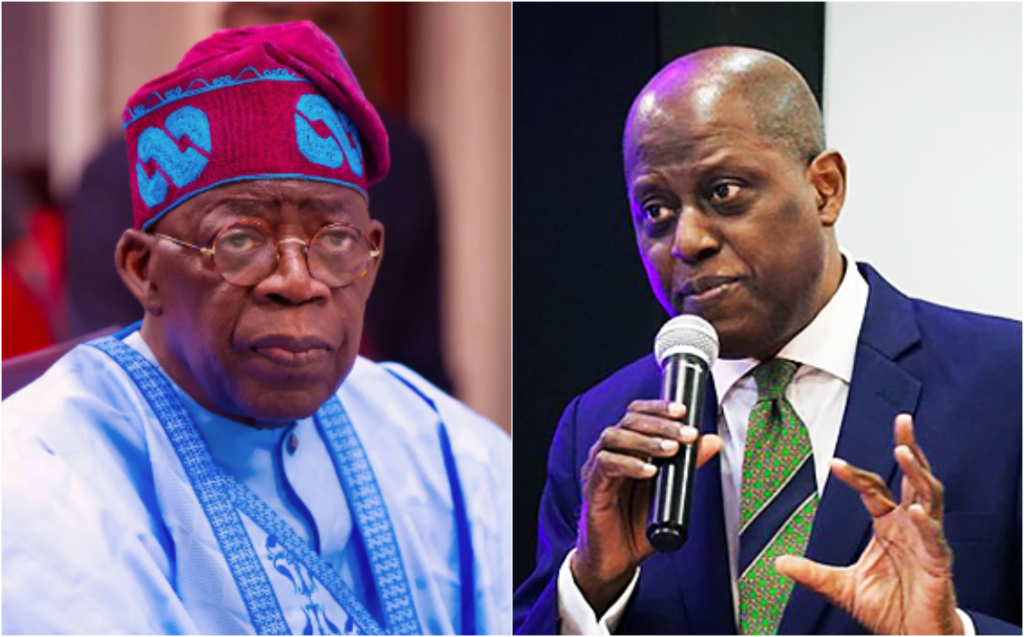
It is becoming more apparent that Central Bank of Nigeria (CBN) was propping up naira against dollar with the withdrawal from country’s Foreign exchange reserve. The liquidity flowing from foreign exchange reserve has become a war chest to safeguard the falling and weaken naira. But do not suggest or say it in the presence of Mr. Olayemi Cardoso the governor of the country’s apex bank CBN. It was reported that “CBN has been actively intervening in the foreign exchange market to support the naira, which has faced pressure from various economic factors. These interventions often involve the sale of dollars to maintain liquidity in the market, a strategy that has likely contributed to the decrease in FX reserves,” But Cardoso vehemently denied it during a press conference held at International Monetary Fund (IMF) head office in Washington DC.
Nigeria’s forex reserve dropped by $1.02 billion in 18 days; CBN boss was probably forthright in explaining to Nigerians why the FX reserve was dwindling as naira value was appreciating in a short period. Accounting for withdrawal from FX reserve Cardoso said it was used to meet some payments and financial obligations.
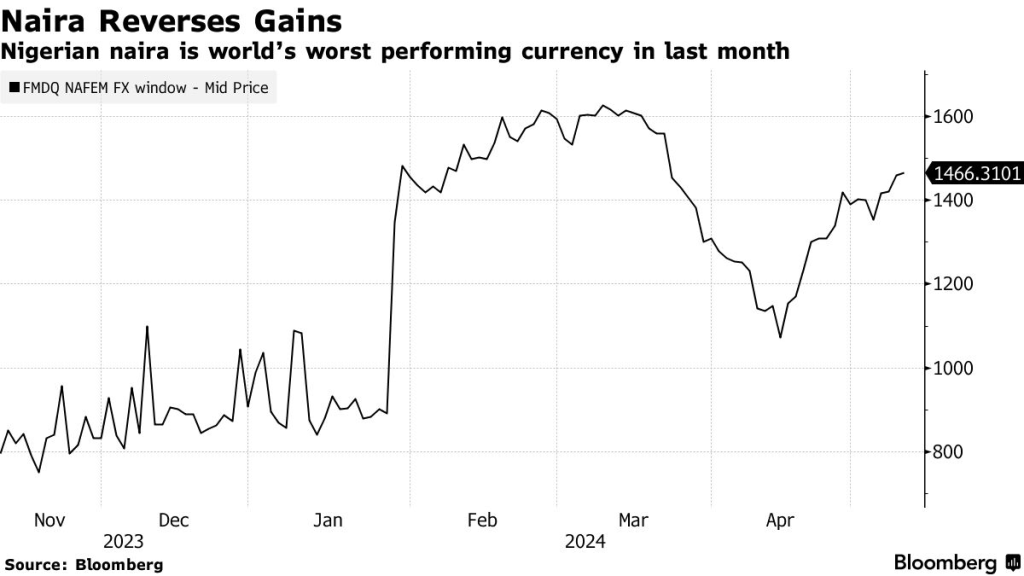
Naira is now the worst performing currency in the world. Why?
This can be attributed to Nigeria macroeconomic dislocations that was rooted in corruption, mass mismanagement and limited knowledge on relationship between a currency and country’s GDP. The “structural issues within the economy, such as rampant inflation, political instability, and corruption, compound the challenges facing the naira. Inflation erodes the currency’s purchasing power, driving up the cost of imports and further eroding its value.”
In addition, the value and worth of a currency is determined by the wealth of a nation.
In this era of global capitalism, a wealth of nation goes beyond the conventional valuation based on the natural and human resources. A nation’s image, perception, security and stability also played an important role in the determination of a nation’s wealth. Therefore currency and its value become the bellwether and principal indicator of the economic status and financial wellbeing of a given nation. The principal factor in a currency regulation and determination is rooted on the forces of supply and demand.
On the inception of Tinubu administration, it adopted the advice from the World Bank and IMF to float naira and “to abandon the complex exchange mechanism and capital controls put into place under former President Muhammadu Buhari as a way to encourage investment in Africa’s largest economy and top oil producer.”
As soon as the policy was promulgated, naira value plunged and has never recovered again. There was inadequate supply of dollar to upset its high demand. The major source of foreign exchange for Nigeria is chiefly from crude oil export and that cannot sustain the thirsty and high demand of dollar for the import orientated economy.
“In a bid to intervene in the retail segment of the forex market, the CBN in February resumed dollar sales to Bureaux De Change, (BDC). Since then the apex bank has held three editions of the dollar. At the last edition, the CBN offered to sell $10,000 per BDCs at directing them to sell at the maximum margin of 1.5 per cent
BDC operators however complained dollar disbursement from CBN is too slow that and takes three to four weeks between when they make payment and when the dollars are disbursed to them.
Vanguard reliably gathered that as a result of this delay and the uncertainty in the forex market, some BDCs, have asked the CBN to refund their Naira payment.
Top BDC operators who confirmed this development to Vanguard under the condition of anonymity said that some of the BDCs that asked for refunds have gotten their money.”
Stable currency Vs law of demand and supply
To maintain and safeguard a stable and healthy currency, it must be backed with a FX reserve war chest that is capable of fencing off and chasing away hostile speculators. Nigeria with dwindling FX reserve from mainly oil export cannot protect naira value. Nigeria being mostly an import oriented economy needs dollar for its business class and consumers therefore wallow in low supply of dollar. The law of demand and supply can never be discarded in making a monetary policy decision. With few dollars in the market place the value of naira continues to depress and nosedived. It has become apparent that the limited tentacles of both monetary policy and fiscal policy have become waned.
last month Nigeria’s naira was recovering from record lows hit this year, following interventions by its central bank through interest rate rises and the direct sale of dollars to foreign exchange bureaus. This problem is a long time one that need a serious planning with serious idea. Can this government solve this self inflected problem?