
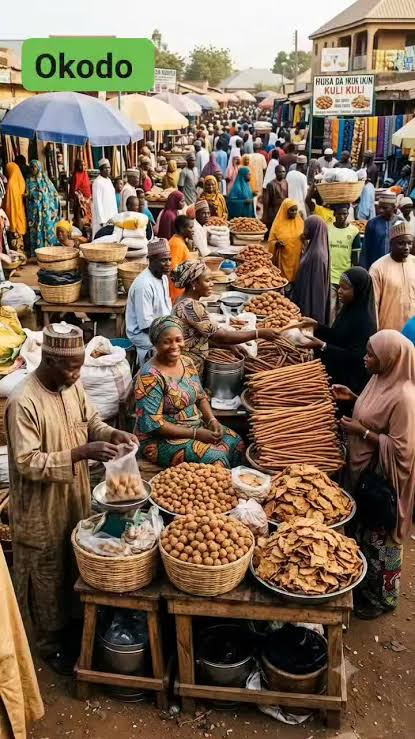
Nigeria’s economy shows a stark contrast between stabilizing macroeconomic indicators and a deepening cost-of-living crisis. While GDP growth holds steady around 4% and the weak Naira has stabilized but with a weaken purchasing power; inflation remains high, leaving millions grappling with soaring food costs, elevated poverty rates, and reduced purchasing power. Nigeria’s headline inflation rate stands at 15.93% year-on-year, with food inflation reaching 16.96%. Following a rebasing of the Consumer Price Index, inflation has seen a slight rebound for consecutive months due to exchange rate pressures, higher global energy costs, and import bottlenecks.
Challenges & Daily Realities
Cost of Living: Despite inflation easing slightly, food insecurity remains severe. Prices for fuel, transportation, and daily essentials continue to erode the benefits of macroeconomic progress
Poverty: A significant portion of the population remains in extreme poverty, with rising living expenses heavily affecting basic survival
Infrastructure & Security: Inadequate power supply, poor logistics, and regional insecurity continue to act as bottlenecks to broader private sector-led growth.
Nigeria’s Debt stood at unprecedented ₦159.28 trillion
“Chairman of the Alliance for Economic Research and Ethics LTD/GTE, Dele Oye, has lamented the unprecedented rise in public debt under President Bola Tinubu, noting that the N65.9 trillion borrowed by the administration in the last 24 months is more than five times the total debt Nigeria incurred in the first 55 years of its Independence.
Oye, who is the immediate past chairman of the Organised Private Sector of Nigeria (OPSN), noted that while successive governments accumulated debt over decades, the Tinubu administration alone added N65.9 trillion in two years, compared to just N12 trillion accumulated over 55 years. “
Nigeria’s total public debt stands at ₦159.28 trillion (approximately $110.97 billion). This total includes both the external and domestic debt profiles of the Federal Government and the 36 states, which breaks down as follows.
- Total External Debt: $51.86 billion (part of the ₦159.28 trillion).
- Per Capita Burden: Each Nigerian carries an estimated debt burden of roughly ₦724,000.
- External Debt Service: Nigeria paid over $5 billion in external debt service, a sharp rise as the country’s debt portfolio grows
Nigeria multidimensional poverty
In Nigeria, multidimensional poverty affects roughly 133 million people, which accounts for 63% of the nation’s population. This framework evaluates hardship across four key dimensions: Health, Education, Living Standards, and Work/Shocks.
“The World Bank has raised concerns that multidimensional poverty and weak early childhood development outcomes are threatening Nigeria’s long-term economic potential, despite signs of macroeconomic recovery.
This was disclosed in its April 2026 Nigeria Development Update titled: “Nigeria’s Tomorrow Must Start Today: The Case for Early Childhood Development.” According to the report, Nigeria is facing a deep early childhood development crisis, with poor outcomes in health, nutrition, and learning undermining productivity and future growth.”
Geospatial Divide: Poverty is heavily concentrated in the northern regions, with 65% of all poor Nigerians (86 million people) living in the North. State-level rates vary drastically, ranging from 27% in Ondo State to 91% in Sokoto State
· Urban vs. Rural: Rural areas bear the brunt, with 72% of rural residents living in poverty compared to 42% of urban dwellers.
· Severe Impact on Children: More than half (51%) of all poor individuals are children. Startlingly, 67.5% of Nigerian children are multidimensionally poor, lacking basic educational engagement, adequate nutrition, or healthcare access.
· Primary Deprivations: More than half of the population lacks access to clean cooking energy (relying on wood or dung), suffers from inadequate sanitation, and experiences food insecurity.
Leave a Reply