
Igbo metal smithing in Nsukka, Nigeria, centers around Lejja, a site containing some of the world’s oldest iron-smelting evidence, dating back to 2000 BC. Ancient, massive iron slags (34–57 kg) found in the area highlight a sophisticated, early technological civilization. This region’s ancient industry highlights expert iron extraction, with smiths later forging tools like hoes and cutlasses
Key Aspects of Nsukka Metallurgy:
- Ancient Origins (Lejja): Over 800 ancient iron slag blocks found in Lejja indicate an iron-smelting culture that existed long before typical, historical timelines, with some evidence dating to 2000 BC.
- Methodology: Early smelting involved specialized furnaces (dome, shaft, and bowl) utilizing high temperatures, later evolving to include sand flux as technological knowledge grew.
- Regional Significance: Nsukka was a central hub for iron production, with sites such as Lejja, Opi, Obimo, and Ekwegbe indicating extensive, specialized, early iron-working traditions.
- Specialization: Historical smiths (known as ụzụ) were highly respected, often working as a specialized, organized group or guild.
- Products: They forged essential items including agricultural tools (hoes, cutlasses), weapons, and, in surrounding regions, ceremonial objects.
Key details about the Igbo-Ukwu findings:
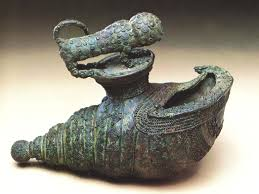
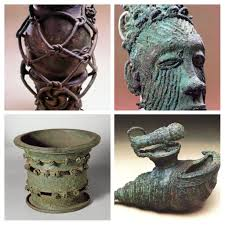
- Significance: Uncovered in 1938, the finds (including ritual vessels, jewelry, and regalia) revealed a highly sophisticated and indigenous mastery of metallurgy, particularly the lost-wax casting technique.
- Oldest West African Bronzes: The 9th-century dating makes them the earliest known examples of bronze casting in West Africa, predating Ife (11th-15th century) and Benin civilizations.
- Local Technology: The bronzes were crafted by local artists using local copper deposits, showing an advanced artistic tradition developed independently of external influence.
- Distinction: Unlike the smooth, naturalistic human heads of Ife, the Igbo-Ukwu artifacts are renowned for their incredible intricacy, ornate detail, and masterful use of leaded bronze and tin-bronze
Leave a Reply