
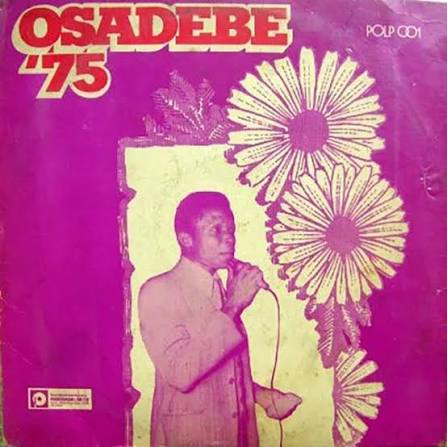
Osadebe ’75 music album by the Commander-in-Chief Stephen Osita Osadebe is a foundational pillar of Nigerian Highlife music that captured the resilience and evolving cultural identity of the Igbo post-civil war era.
Released in the mid-1970s during a critical juncture in Nigerian musical history, the album helped propel Chief Stephen Osita Osadebe to the zenith of his career. Following the physical and psychological toll of the Nigerian Civil War, Highlife served as both a balm and a celebratory pulse for society. Osadebe ’75 emerged as part of his acclaimed yearly-titled series (Osadebe ’75-’77), bridging traditional Igbo rhythms with contemporary urban arrangements.
The historical significance of Osadebe ’75 lies in its role as a stabilizing force for Igbo cultural expression. The civil war had severely fractured the cultural infrastructure of Southeastern Nigeria, and many feared that the golden age of dance-band highlife had passed. With this album, Osadebe successfully revitalized the genre by grounding it firmly in Igbo identity while maintaining a cosmopolitan appeal that resonated across ethnic lines. The template established on this record paved the way for his massive commercial triumphs later in the decade and into the 1980s, laying the sonic groundwork for his record-breaking 1984 masterpiece, Osondi Owendi.
Musically, Osadebe ’75 exemplifies the transitional brilliance of Osadebe’s signature style. Unlike the faster, horn-heavy dance-band highlife that dominated Accra and Lagos in the 1950s and 1960s, this album emphasizes a slower, more hypnotic tempo. Backed by his legendary band, Chief Stephen Osita Osadebe & His Nigeria Sound Makers International, the instrumentation on the album weaves a rich tapestry of traditional Igbo rhythms with Western and Afro-Cuban components. The record features elongated, fluid guitar lines, a prominent, melodic bass groove, and subtle brass accents that interact dynamically with the percussion. The landmark multi-part tracks, such as “Onu Kwube / Ejim Ofor Aga,” unfold over nearly twenty minutes, allowing the musicians room to improvise and create a deeply immersive acoustic atmosphere. This long-form jam format shifted highlife from transient nightclub entertainment into a medium for extended contemplation and enduring artistry.
Beyond its formal instrumental innovation, the album is celebrated for its profound lyrical philosophy. Osadebe was frequently nicknamed “the Doctor of Hypertension” due to the soothing, therapeutic nature of his music, a trait that shines brilliantly across the tracks of this release. Singing in a mixture of Igbo, English, and Pidgin, Osadebe utilized a sophisticated call-and-response pattern to deliver deep social commentaries, proverbs, and moral guidance. In “Onu Kwube” (which translates to “let them talk”), he addresses the inevitability of gossip and public detraction, advising listeners to remain steadfast in their moral truth and personal destiny (Ofor). Tracks like “Odindu Nyuliba” and “Nri Sports Di Uso” expand on themes of resilience, communal harmony, and the celebration of life amidst hardships. By embedding timeless traditional wisdom into contemporary dance music, Osadebe acted as a modern griot, bridging the gap between ancestral values and a rapidly modernizing post-war Nigerian society.
Ultimately, Osadebe ’75 remains a timeless monument in African music. Its influence echoes clearly through the works of contemporary African musicians who continue to sample, adapt, and look up to Osadebe’s smooth vocal delivery and guitar-driven rhythms. By balancing infectious danceability with enduring philosophical insight, the album helped preserve and redefine Nigerian Highlife, ensuring that the genre would remain an integral part of the global African musical diaspora for generations to come. Through its intricate compositions and philosophical weight, Osadebe ’75 cemented Chief Stephen Osita Osadebe’s reputation as the “King of Highlife” and altered the landscape of Nigerian popular music
Leave a Reply